
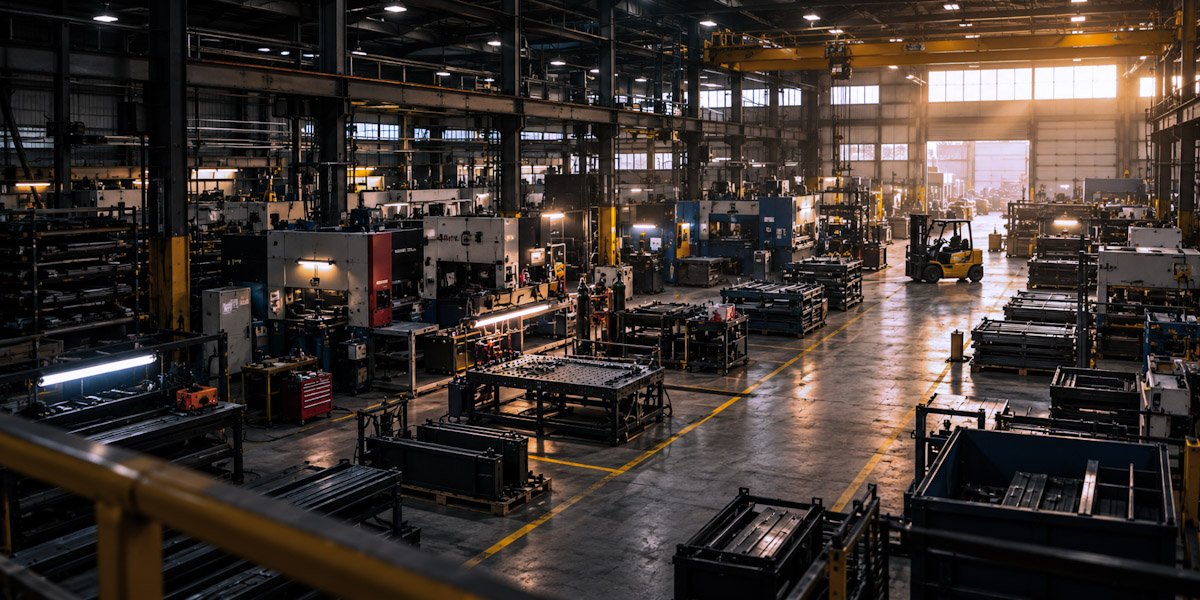
Manufacturing Operations Consulting for Growing Companies
More revenue doesn’t fix an inefficient operation. It usually exposes it.
ATLATL helps manufacturers identify constraints, improve production flow, strengthen operating systems, and build the accountability needed to increase throughput and support profitable growth.
Growth Exposes Operational Problems.
A manufacturing operation can absorb inefficiency for a while. As volume increases, those inefficiencies become harder—and more expensive—to ignore.
Production bottlenecks limit throughput. Scheduling becomes increasingly difficult. Work-in-process piles up. Material doesn’t move where it should. Rework consumes capacity. Supervisors spend their days reacting. Critical processes depend on tribal knowledge instead of repeatable systems.
Adding people, equipment, or another shift may increase capacity temporarily, but it doesn’t necessarily fix the operation underneath it.
Sustainable manufacturing growth requires the systems, processes, leadership, and accountability to support it.

PRODUCTION BOTTLENECKS
Constraints limit throughput and create delays throughout the operation.

INCONSISTENT PROCESSES
Critical work varies by person, shift, department, or production run.
POOR MATERIAL FLOW
Inventory, WIP, equipment, and people aren’t moving through production effectively.

ACCOUNTABILITY GAPS
Performance is measured inconsistently—or nobody clearly owns improving it.
REWORK & WASTE
Quality problems and inefficient processes consume labor, material, time, and margin.

CAPACITY CONSTRAINTS
Demand is growing, but the operation struggles to produce more efficiently.
What Does a Manufacturing Operations Consultant Do?
A manufacturing operations consultant helps identify what is limiting the performance of the operation and develops practical ways to improve it.
That requires looking beyond individual production problems and understanding how people, processes, equipment, materials, information, scheduling, and leadership work together across the operation.
ATLATL works with manufacturing leadership to identify constraints, improve workflows, strengthen operating systems, establish meaningful performance measures, and turn operational priorities into measurable improvements.
-
Identify the constraints, bottlenecks, and handoff issues limiting how efficiently work moves through production. We evaluate workflows, equipment utilization, labor, material movement, and production dependencies to uncover where capacity is being lost and develop practical improvements that increase throughput without simply adding more people, equipment, or overhead.
-
Improve the way work gets done by identifying unnecessary steps, delays, variation, rework, and other sources of operational waste. We work with leadership and the people closest to the process to develop practical improvements that increase efficiency, improve consistency, and create processes that can be sustained in the real production environment.
-
Understand what your operation can realistically produce and where additional capacity can be created. We evaluate production requirements, labor, equipment, constraints, scheduling, and workflow to help manufacturers make better decisions about how work is planned, prioritized, and moved through the operation as demand changes.
-
Build performance measures that help leadership understand what is actually happening inside the operation. We help identify meaningful manufacturing KPIs, establish clear ownership for results, and create a consistent rhythm for reviewing performance, addressing problems, and holding the right people accountable for improving operational outcomes.
-
Turn critical operational knowledge into repeatable processes that don’t depend on one person knowing how things have always been done. We help manufacturers document and standardize important workflows, responsibilities, and procedures to improve consistency, reduce variation, support training, and create a stronger foundation for growth.
-
Strong manufacturing systems still require people who can lead them. We help strengthen the structure around managers and supervisors by clarifying responsibilities, expectations, priorities, and accountability. The goal is to develop leaders who can solve problems, manage performance, communicate effectively, and consistently drive execution across the operation.
From Reactive Production to a Stronger Operation.
Manufacturing problems rarely exist in isolation.
A missed production target may actually be a scheduling problem. A labor issue may be a process problem. A quality problem may originate several steps upstream. A capacity problem may have less to do with equipment than with how work moves through the operation.
The goal is to move beyond constantly reacting to individual problems and build an operation capable of identifying, solving, and preventing them systematically.
REACTIVE OPERATION
❌ Bottlenecks disrupt production
❌ Scheduling depends heavily on tribal knowledge
❌ Processes vary between people and shifts
❌ KPIs report problems without driving action
❌ Supervisors spend their time putting out fires
❌ Capacity decisions are based on assumptions
❌ Growth creates more complexity and inefficiency
STRONGER OPERATION
✅ Constraints are identified & addressed systematically
✅ Production is planned around real capacity
✅ Critical processes are standardized
✅ KPIs have clear ownership and accountability
✅ Leaders focus on improving the operation
✅ Capacity decisions are supported by data
✅ Growth is supported by stronger systems
Built for Manufacturing Operations Where Execution Matters.
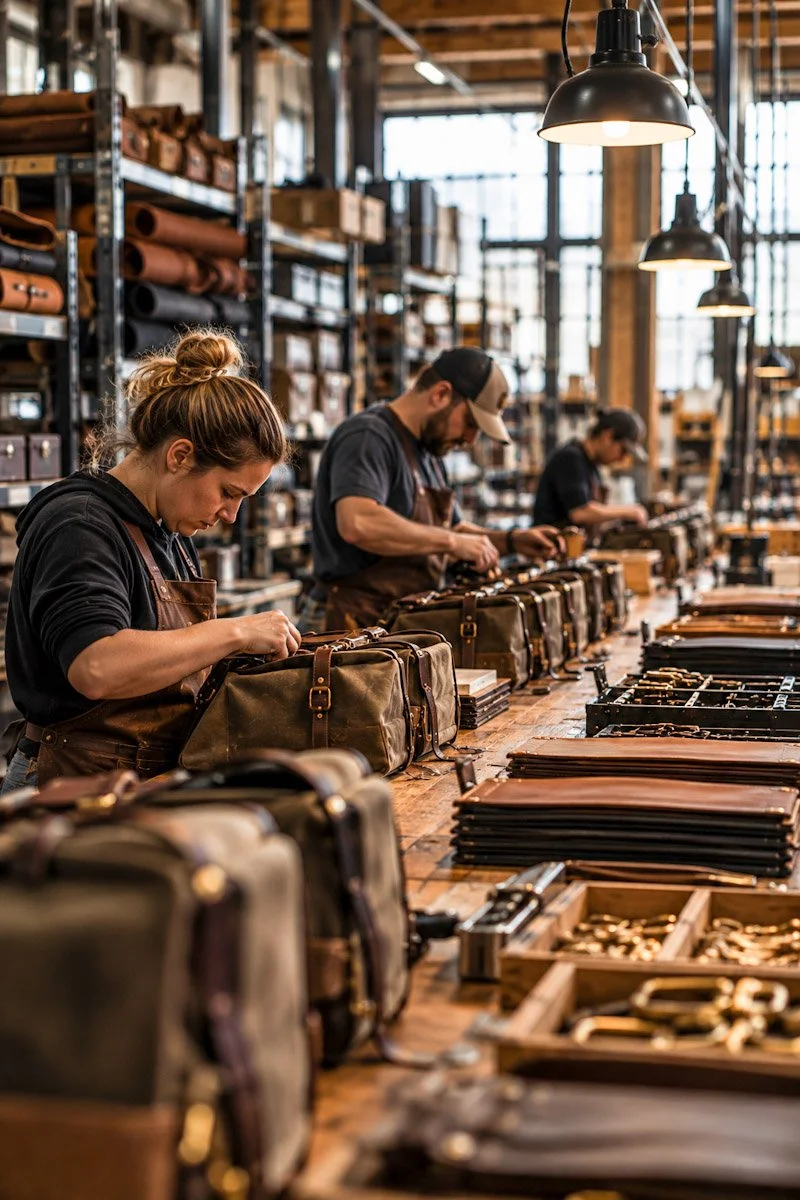
Manufacturing environments differ, but the fundamentals of strong operations remain remarkably consistent: people need clarity, processes need consistency, equipment and materials need to flow, performance needs to be measured, and problems need to be solved at their source.
ATLATL works with manufacturers to improve the systems connecting those pieces across the operation.
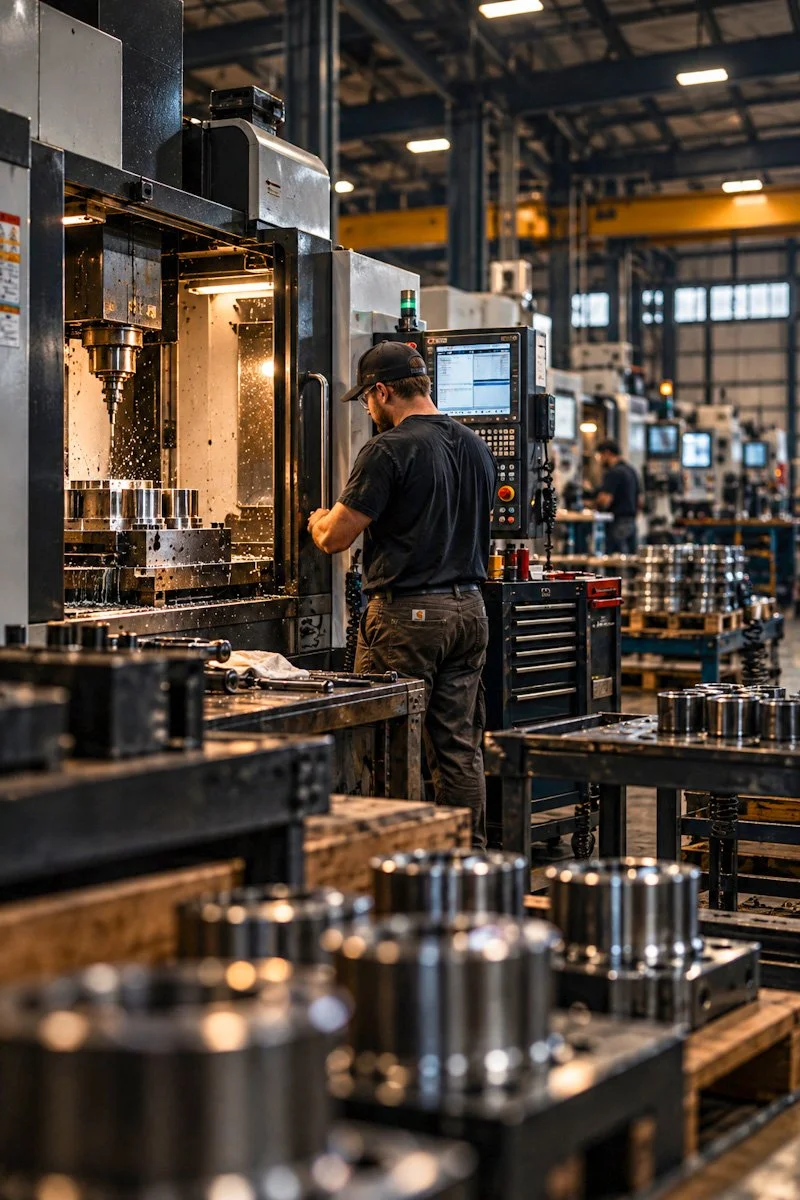
PRODUCTION
Throughput | Workflow | Bottlenecks | Production Efficiency
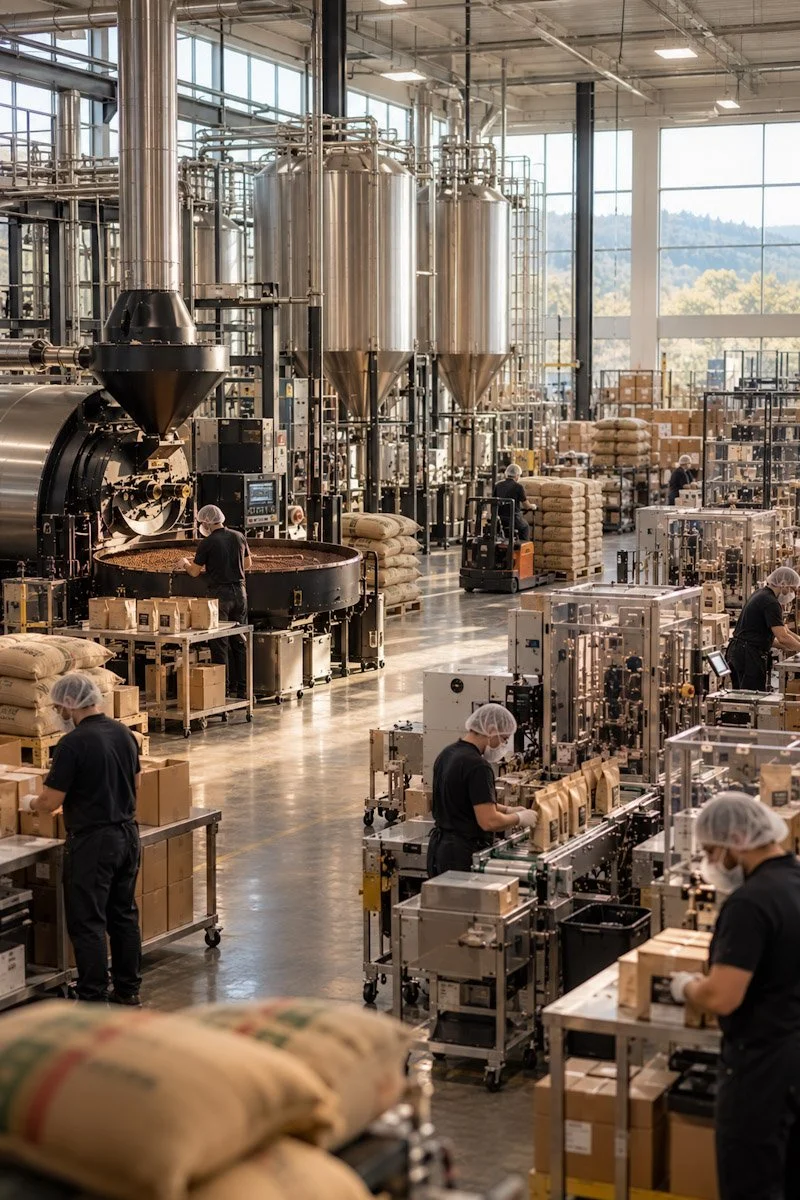
ASSEMBLY
Work Sequencing | Material Flow | Labor Utilization | Standard Work
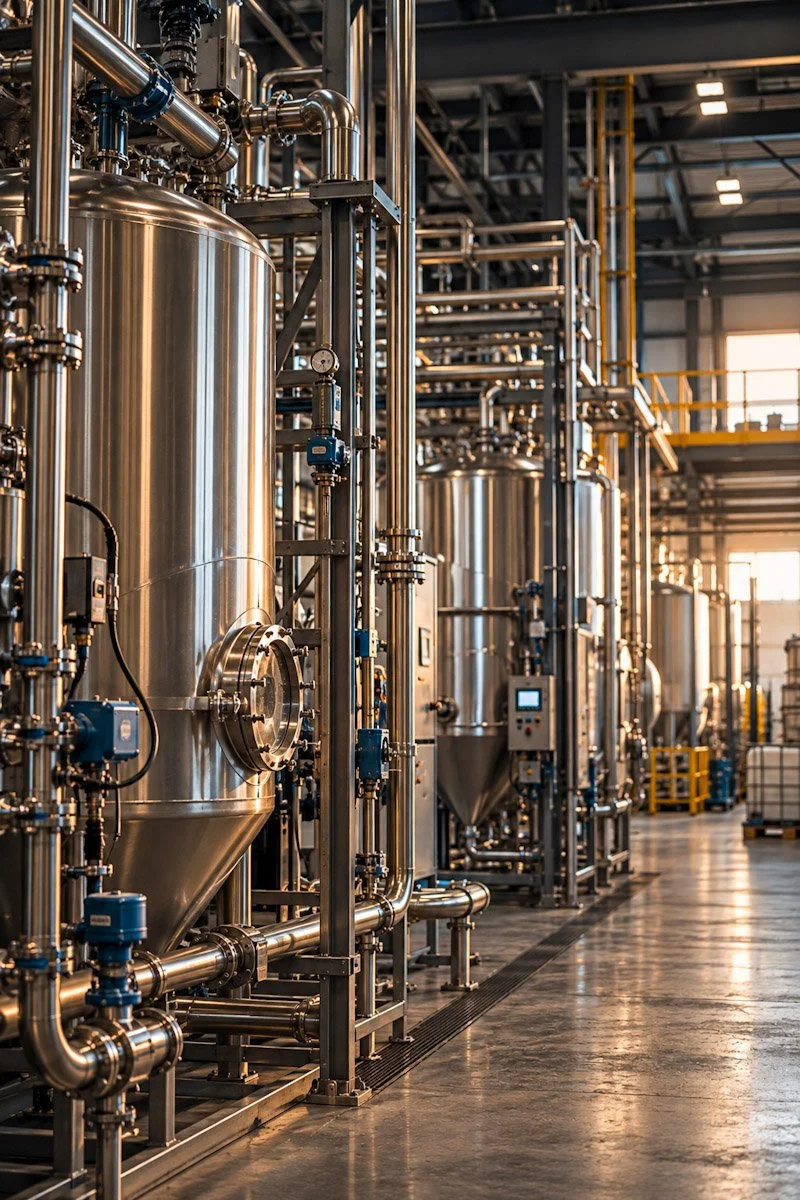
PROCESSING
Process Control | Standardization | Quality | Continuous Improvement
PLANT OPERATIONS
Capacity | Scheduling | KPIs | Operational Leadership
Manufacturing Operations Consultant vs. Fractional COO
Both can help improve operational performance, but they typically serve different needs.
A manufacturing operations consultant is often brought in to evaluate specific production or operational challenges, identify constraints, improve processes, and develop solutions around areas such as throughput, capacity, workflow, scheduling, standardization, or performance.
A Fractional COO takes a broader executive leadership role across the organization. That can include operational performance, leadership development, organizational structure, accountability, strategic execution, and coordination between different areas of the business.
For some manufacturers, the need is a focused operational improvement initiative. For others, the underlying challenge requires ongoing executive-level operational leadership.
ATLATL provides both focused manufacturing operations consulting and ongoing Fractional COO leadership depending on the needs of the business.
When Does a Manufacturer Need Operations Consulting?
Not every operational problem requires outside support.
But when the same issues continue resurfacing—or internal teams are too consumed by daily production to step back and address the systems behind them—an outside operational perspective can be valuable.
You may benefit from manufacturing operations consulting if:
Production consistently struggles to meet demand or schedule.
Bottlenecks are limiting throughput or creating excessive work-in-process.
Adding labor or equipment isn’t producing the expected increase in output.
Processes vary significantly between employees, shifts, or departments.
Supervisors spend most of their time reacting to daily problems.
Rework, scrap, downtime, or inefficient handoffs are consuming capacity and margin.
Leadership lacks reliable operational KPIs or clear ownership of performance.
Production scheduling is difficult or frequently disrupted.
Critical processes depend heavily on tribal knowledge.
Growth is creating greater complexity without proportional improvements in productivity or profitability.
Leadership knows the operation can perform better but needs help identifying where to start.
The question isn’t simply whether production can keep running. It’s whether the operation is performing as effectively as it should.
Real Manufacturing Experience. Practical Improvement.
Improving manufacturing operations requires more than standing outside the process and pointing out what looks inefficient.
You have to understand how production actually works.
That means understanding the relationship between people, equipment, materials, scheduling, quality, capacity, leadership, and the day-to-day realities of keeping an operation moving.
ATLATL brings practical operational leadership and process-improvement experience to manufacturing environments with an emphasis on solutions that can actually be implemented and sustained.
Our approach is grounded in continuous improvement, measurable performance, clear accountability, and practical execution—not forcing a predetermined operating system onto every manufacturer.
Because an improvement that only works on paper isn’t an improvement.
SIX SIGMA
Process improvement grounded in identifying variation, waste, constraints, and measurable opportunities for improvement.
REAL-WORLD EXECUTION
Recommendations designed around the realities of the operation—not a theoretical ideal.
OPERATIONAL LEADERSHIP
A practical understanding of how systems, people, accountability, and execution work together.
How a Manufacturing Operations Consulting Engagement Works
Every manufacturing operation is different. The work begins by understanding how yours actually performs before deciding what needs to change.
01
UNDERSTAND THE OPERATIONLearn how production works, where challenges exist, and what is limiting performance, capacity, or consistency.
02
Identify the constraintsDetermine which bottlenecks, processes, or operational issues have the greatest impact on throughput and performance.
03
Build the improvement planPrioritize practical improvements around workflow, processes, capacity, KPIs, standardization, leadership, or accountability.
04
Implement & MeasurePut improvements into action, measure their impact, solve problems, and adjust based on real operational results.
05
Sustain the ImprovementBuild the systems, ownership, and leadership required to maintain progress after the initial changes are made.
Manufacturing Operations Consulting FAQs
-
A manufacturing operations consultant evaluates how a manufacturing operation performs and identifies opportunities to improve production flow, processes, capacity, efficiency, accountability, and execution. The work may involve analyzing bottlenecks, workflows, scheduling, KPIs, SOPs, material movement, leadership structure, or other factors affecting operational performance.
-
A manufacturer may benefit from operations consulting when recurring problems are limiting throughput, capacity, efficiency, quality, profitability, or growth. Common signs include persistent bottlenecks, inconsistent processes, scheduling problems, excessive rework, unclear KPIs, poor accountability, overwhelmed supervisors, or increasing demand that the existing operation struggles to support.
-
Improving throughput starts by understanding what is actually constraining production. Rather than assuming the answer is more labor or equipment, we evaluate workflow, capacity, scheduling, material movement, processes, handoffs, and other production dependencies to identify where work is being delayed and where practical improvements can increase output.
-
Yes. Identifying operational constraints is a core part of manufacturing operations consulting. We look at how work moves through the operation, where production slows or accumulates, and what underlying processes, equipment, labor, scheduling, or material issues are contributing to the constraint.
-
No. Capacity and throughput problems are not always equipment problems. Improvements to scheduling, workflow, changeovers, material movement, standard work, labor utilization, communication, or process consistency may increase effective capacity without immediately requiring additional equipment or overhead.
-
The right KPIs depend on the operation and its objectives. Useful measures may include throughput, cycle time, downtime, schedule attainment, scrap, rework, quality, labor productivity, work-in-process, equipment utilization, or other indicators tied directly to operational performance. The goal is not to track everything—it is to measure what helps leadership make better decisions and creates clear accountability.
-
Lean manufacturing generally focuses on improving flow and eliminating waste, while Six Sigma focuses on reducing variation and improving process performance through measurement and analysis. The two approaches are often complementary. ATLATL focuses on using the tools and principles that make sense for the operation rather than forcing every manufacturer into a predetermined methodology.
-
Yes. ATLATL Business Solutions is based in Fort Worth and provides manufacturing operations consulting throughout Dallas-Fort Worth and North Texas. We also work with select manufacturers outside the DFW area when the operational needs and engagement are a good fit.

Build a Stronger Manufacturing Operation.
More demand should create opportunity—not more bottlenecks, more firefighting, and more operational complexity.
If your manufacturing operation is capable of performing better than it is today, let’s identify what’s getting in the way and build the systems, processes, and accountability needed to improve it.